Circadia
  • Home
  • People
  • Publications
  • Projects
  • Tutorials
  • Join us/Visit
  • Design
  • Publications
  • Posts

Publications

Low-latitude environmental regularity supports circadian organisation in blind adults

Chronobiology International
Article
circadian
actigraphy
blindness
machine learning
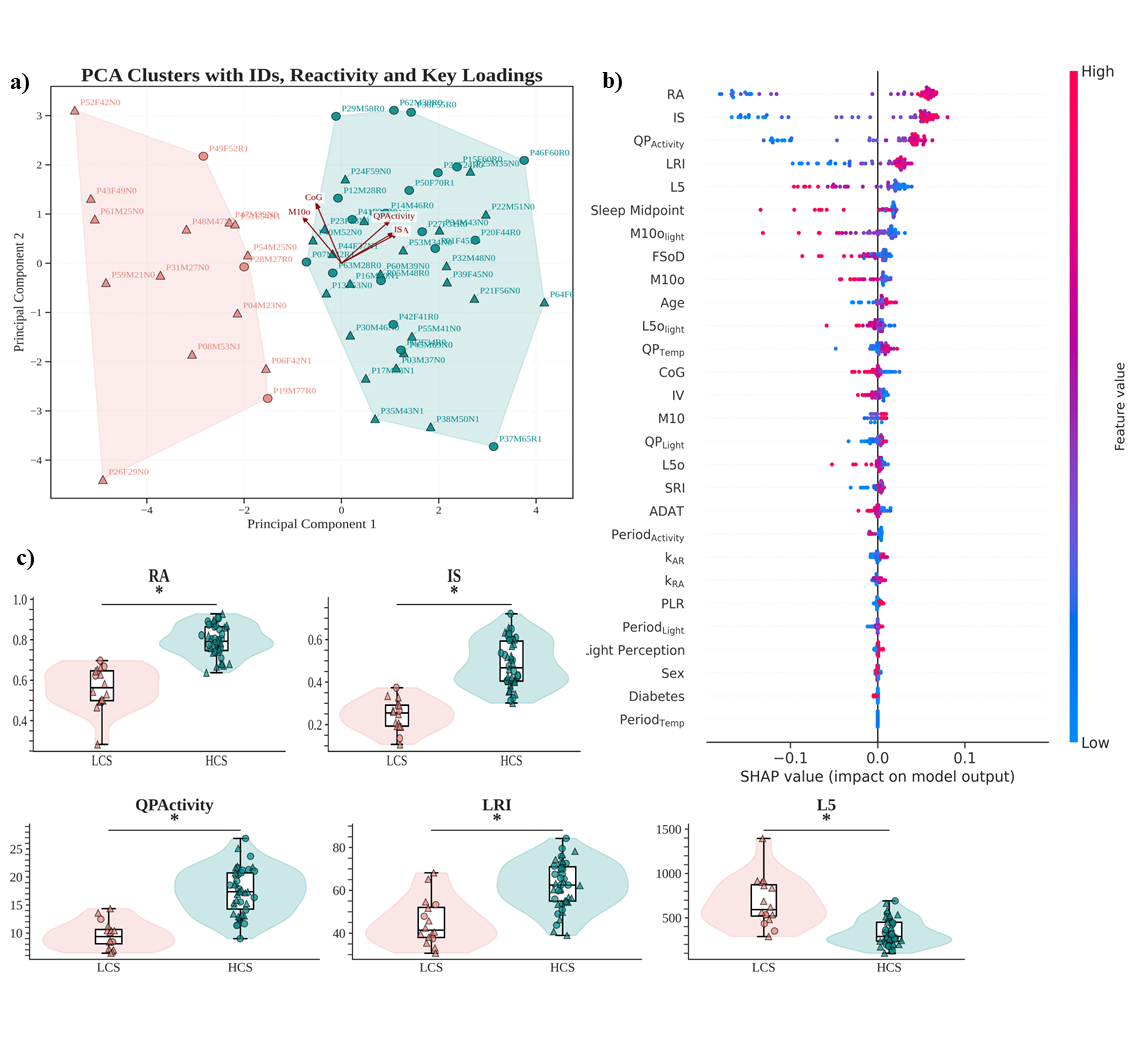
Using wrist actigraphy and machine learning in 58 blind adults living near the equator in Brazil, this study shows that circadian rest–activity rhythms can remain stably entrained even without photic input. Two distinct circadian phenotypes were identified: 72% of participants showed Higher Circadian Stability, a proportion far exceeding previous reports in blind cohorts, suggesting that environmental regularity at low latitudes supports non-photic circadian entrainment.

Jun 23, 2026
Karen C. Pugliane, Lucas G. S. França, Mario Leocadio-Miguel, John F. Araújo

L5 onset as a proxy for circadian phase in infants

Chronobiology International
Article
infants
actigraphy
circadian phase
chronotype
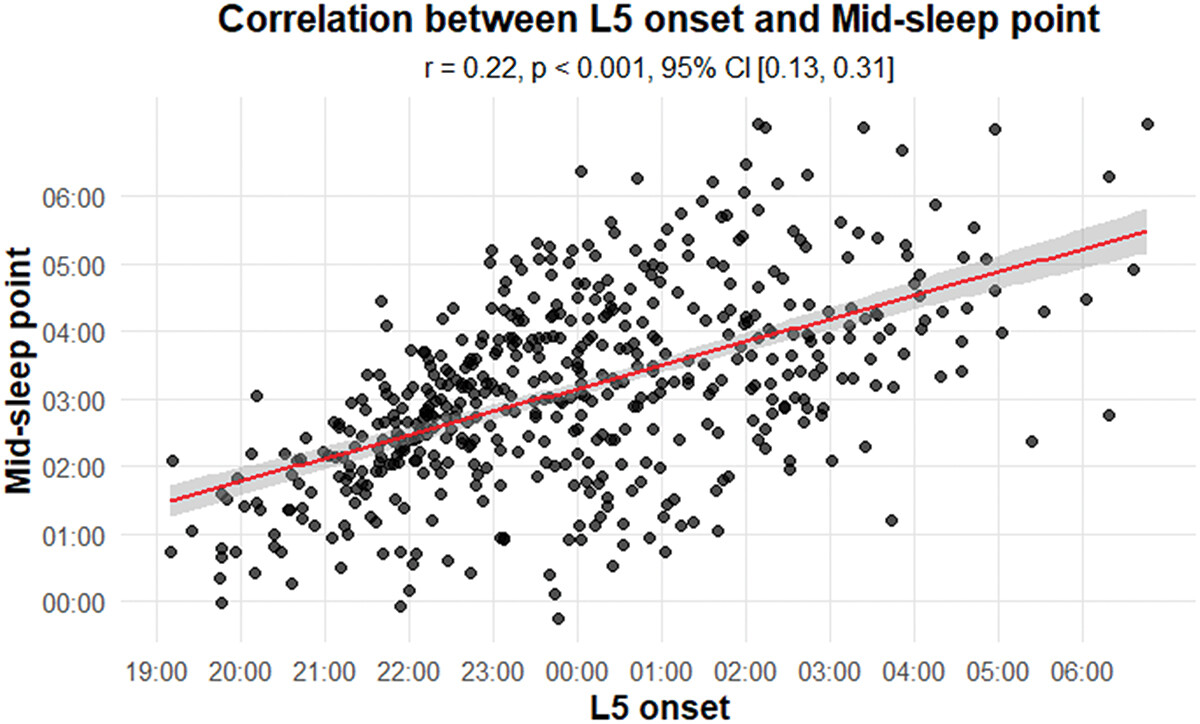
This study examined whether L5 onset — the start of the least active 5-hour period derived from rest–activity rhythms — can serve as a proxy for circadian phase in six-month-old infants, where standard sleep-scoring algorithms validated for adults have limited applicability. Analysing 502 nights from 81 infants, a significant positive correlation was found between mid-sleep point and L5 onset, supporting L5 onset as a practical, non-invasive circadian phase marker in early childhood.

Jun 5, 2026
Rebeca Buest de Mesquita Silva, Adrielle Holler Pykocz, Hanna Victoria Leal, Mário A. Leocadio-Miguel, Fernando M. Louzada

From Movement to METs: A Validation of ActTrust® for Energy Expenditure Estimation and Physical Activity Classification in Young Adults

PLOS ONE
Article
indirect calorimetry
accelerometer
activity intensity
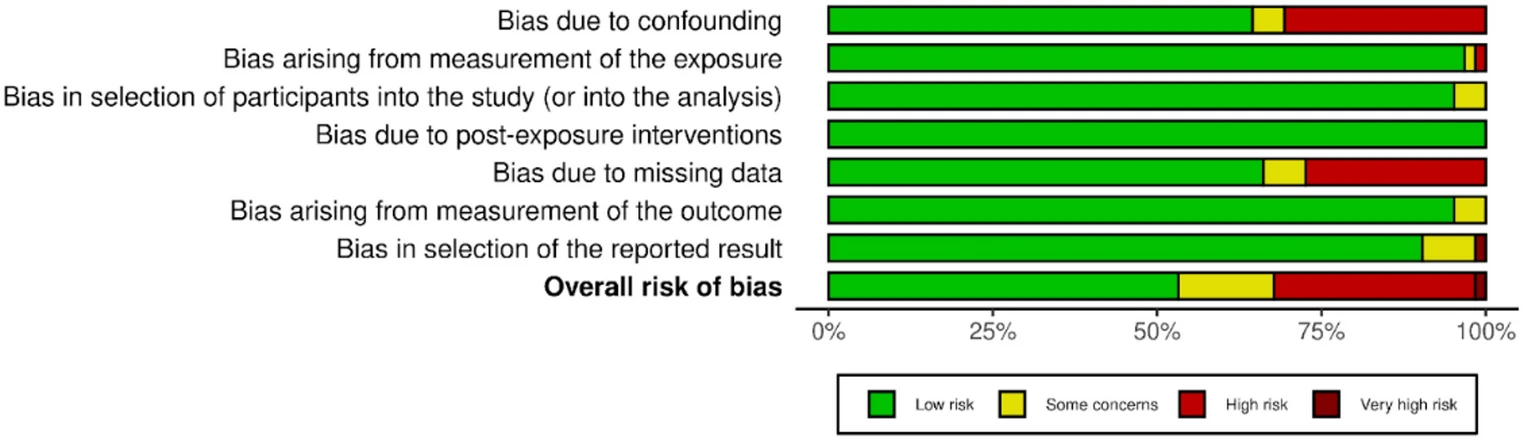
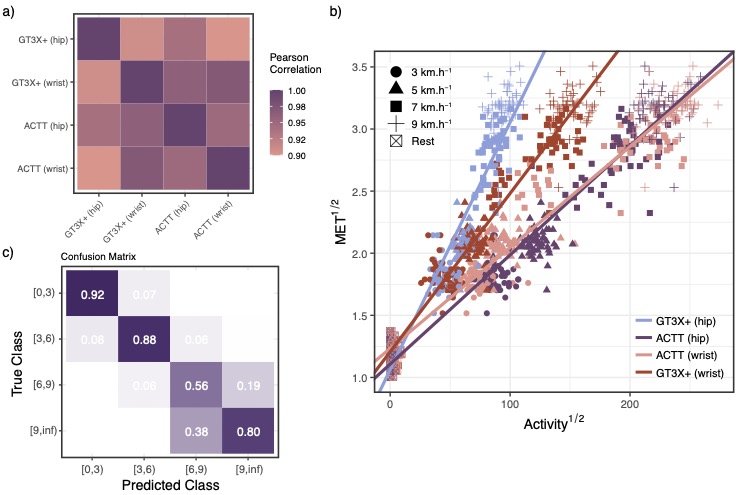
Validation of the ActTrust® actigraphy device against the ActiGraph® GT3X+ and indirect calorimetry in 56 young adults. Derives the first published cut-points for physical activity intensity classification using ActTrust® at hip and wrist placements.

May 6, 2026
Elias dos Santos Batista, Stephania Ruth Basilio Gomes, Ayrton Bruno de Morais Ferreira, Lucas G. S. França, John Fontenele Araújo, Arnaldo Luis Mortatti, Mário A. Leocadio-Miguel

Chronotype Profile in Children: A Systematic Review

Sleep and Vigilance
Review
chronotype
children
systematic review

The first systematic review of chronotype profiling in children aged 0–10 years, conducted following PRISMA guidelines across five databases. The review finds inconsistent evidence on whether morning chronotype predominates in children, highlights the heterogeneity of measurement approaches used across studies, and identifies key gaps in the literature on circadian preference in early childhood.

Nov 10, 2025
Rebeca Buest de Mesquita Silva, Helena Schmidt, Gustavo David dos Santos, Mário A. Leocadio-Miguel, Fernando M. Louzada

Heritability of sleep architecture based on home polysomnography

Journal of Sleep Research
Article
heritability
sleep
PSG

This study assessed the heritability of polysomnography sleep measures in 648 participants from the Baependi Heart Study in Brazil. It found that genetic factors influence total sleep time, non-REM sleep stages (especially N3), and the apnea-hypopnea index, but not REM sleep. These findings support the feasibility of future genetic studies on sleep traits.

Dec 29, 2024
Mário A. Leocadio-Miguel, Tâmara P Taporoski, Felipe Beijamini, Francieli S Ruiz, Andrea RVR Horimoto, Alexandre C Pereira, Kristen L Knutson, Malcolm von Schantz

2024 Standardization of Polysomnography Reports — A Consensus of the Brazilian Sleep Association

Sleep Science
Consensus
polysomnography
sleep medicine
standards
A consensus document from the Brazilian Sleep Association establishing standardised reporting guidelines for polysomnography, covering scoring rules, technical specifications, and reporting conventions to improve consistency and comparability of sleep studies across Brazilian clinical and research settings.

Dec 17, 2024
Luciane Bizari Coin Palombini, Luciana Oliveira Mello, Rogerio Santos-Silva, Marcos Assis, Tatiana Cunha, Luciano F. Drager, Edilson Zancanella, Regina Alves, Andrea Bacelar, Márcia Bagnato, Renata Balsalobre, Eloisa Bianchini, Eduardo Brasil, Fernando Coelho, Bruno Duarte, Alan Eckeli, Cid Fabbro, André Franco, Pedro Genta, Laís Giannasi, Mário A. Leocadio-Miguel, Gustavo Moreira, Maria Claudia Naufel, Luciana Pereira, Dalva Poyares, Márcia Pradella-Hallinan, Clélia Soares, Leticia Soster, Marcio Zanini, Gabriel Natan Pires

Cycling reduces the entropy of neuronal activity in the human adult cortex

Plos One
Article
entropy
cortical activity
EEG
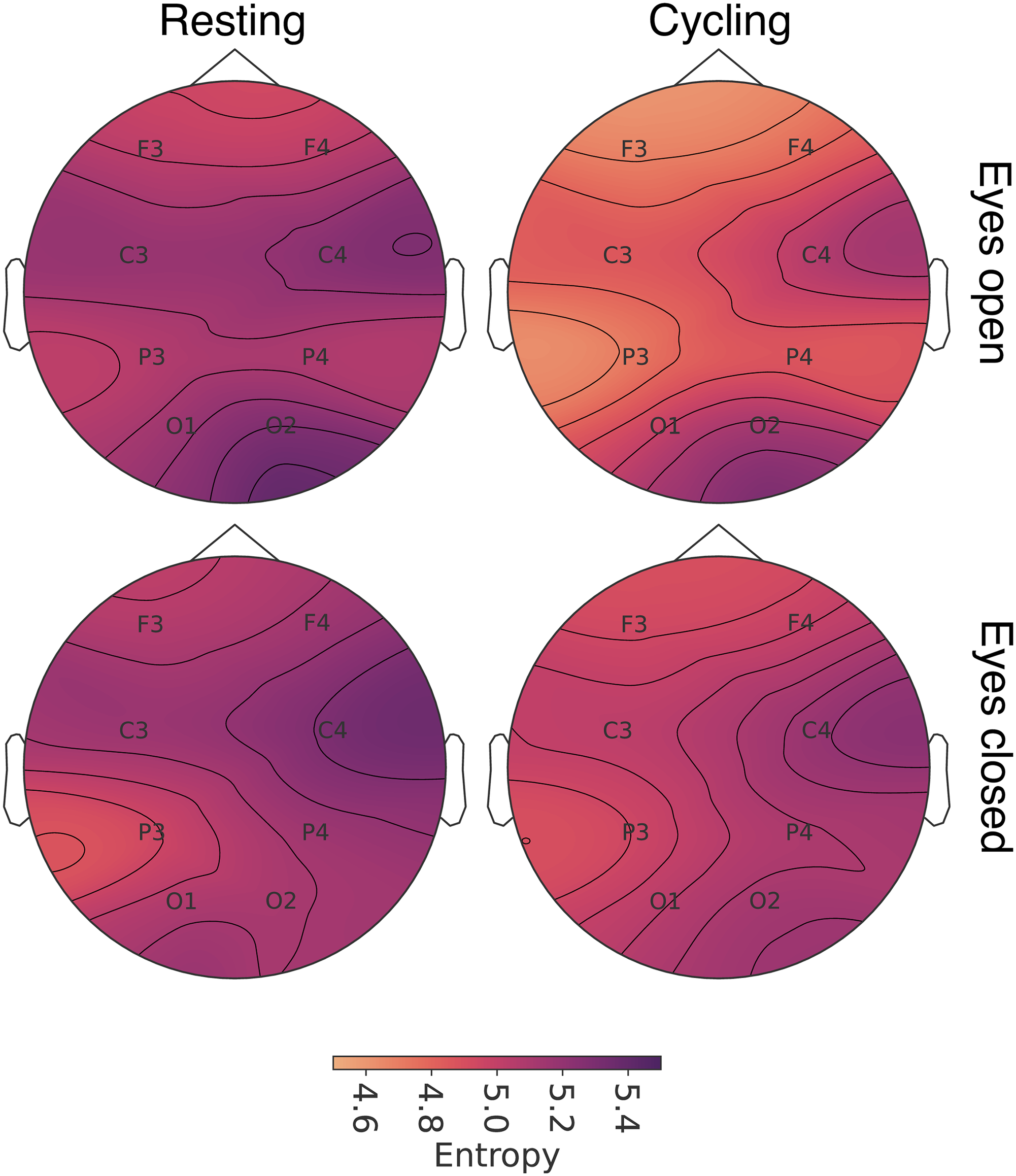
This study used recurrence entropy to assess brain complexity (BC) in EEG signals during rest and cycling in 24 healthy adults. Results showed lower entropy during cycling, suggesting that repetitive movement reduces brain complexity due to continuous sensory feedback and streamlined sensorimotor processing.

Oct 2, 2024
Iara Beatriz Silva Ferré, Gilberto Corso, Gustavo Zampier dos Santos Lima, Sergio Roberto Lopes, Mario André Leocadio-Miguel, Lucas G. S. França, Thiago de Lima Prado, John Fontenele Araújo

Neonatal brain dynamic functional connectivity in term and preterm infants and its association with early childhood neurodevelopment

Nature Communications
Article
brain
MRI
dynamics

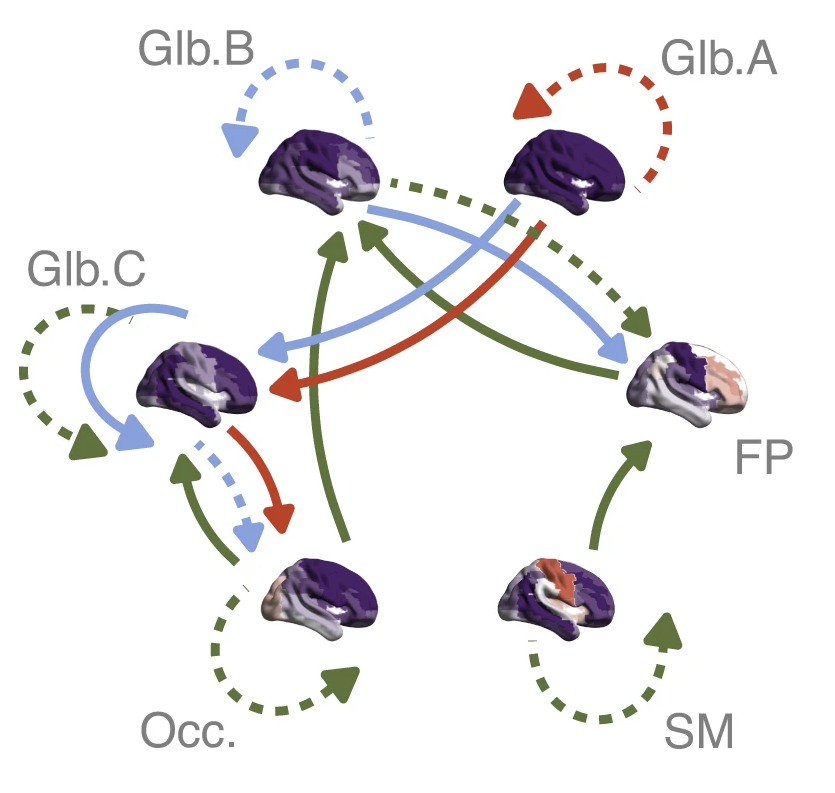
This study examines dynamic functional connectivity in newborns using fMRI, revealing six transient brain connectivity states present at birth. It finds that preterm infants exhibit atypical connectivity patterns, which are linked to social, sensory, and repetitive behaviors at 18 months, suggesting early neurodevelopmental differences.

Feb 8, 2024
Lucas G. S. França, Judit Ciarrusta, Oliver Gale-Grant, Sunniva Fenn-Moltu, Sean Fitzgibbon, Andrew Chew, Shona Falconer, Ralica Dimitrova, Lucilio Cordero-Grande, Anthony N. Price, Emer Hughes, Jonathan O’Muircheartaigh, Eugene Duff, Jetro J. Tuulari, Gustavo Deco, Serena J. Counsell, Joseph V. Hajnal, Chiara Nosarti, Tomoki Arichi, A. David Edwards, Grainne McAlonan, Dafnis Batalle

Hemodialysis-induced chronodisruption and chronotype distribution in patients with chronic kidney disease

The Journal of Biological and Medical Rhythm Research
Article
hemodialisis
sleep

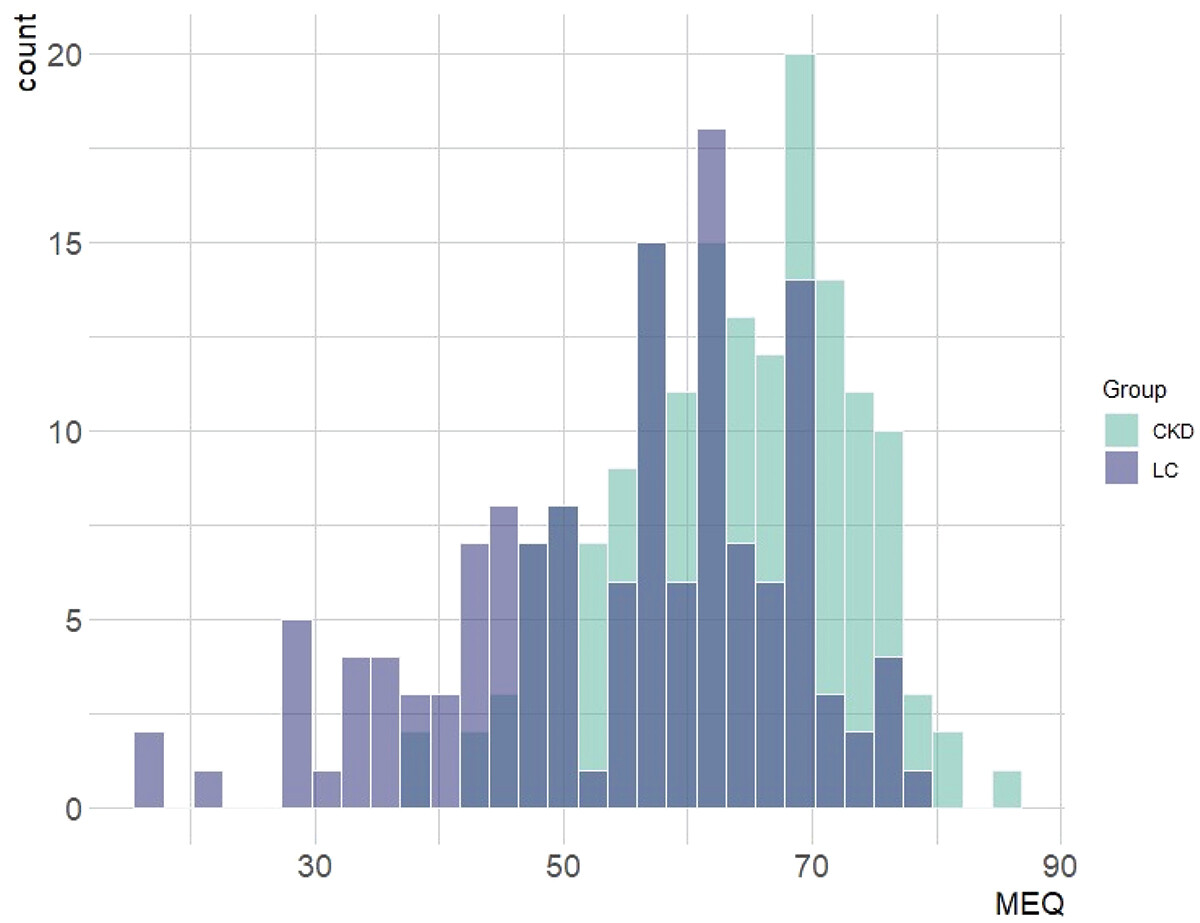
This study examined circadian rhythm disruptions in 165 hemodialysis patients, finding that 40.6% experienced hemodialysis-induced chronodisruption (HIC). A morning chronotype was more prevalent in CKD patients than in the general population. HIC and chronotype were linked to quality of life but not sleep quality, highlighting potential implications for patient well-being.

Feb 1, 2024
Patrícia Pereira Nunes, Caroline Meneses Resende, Ellen Dayanne Barros Silva, Deryc Cleyner Piones Bastos, Max Luiz Mendes Ramires Filho, Mário A. Leocadio-Miguel, Mario Pedrazzoli, Manoel Alves Sobreira-Neto, Tiago Gomes de Andrade, Lívia Leite Góes Gitaí, Flávio Teles

Use of sleep quality questionary and cortisol awakening response as complementary tools for the evaluation of major depression progression

Current Psychology
Article
cortisol
sleep
major depression
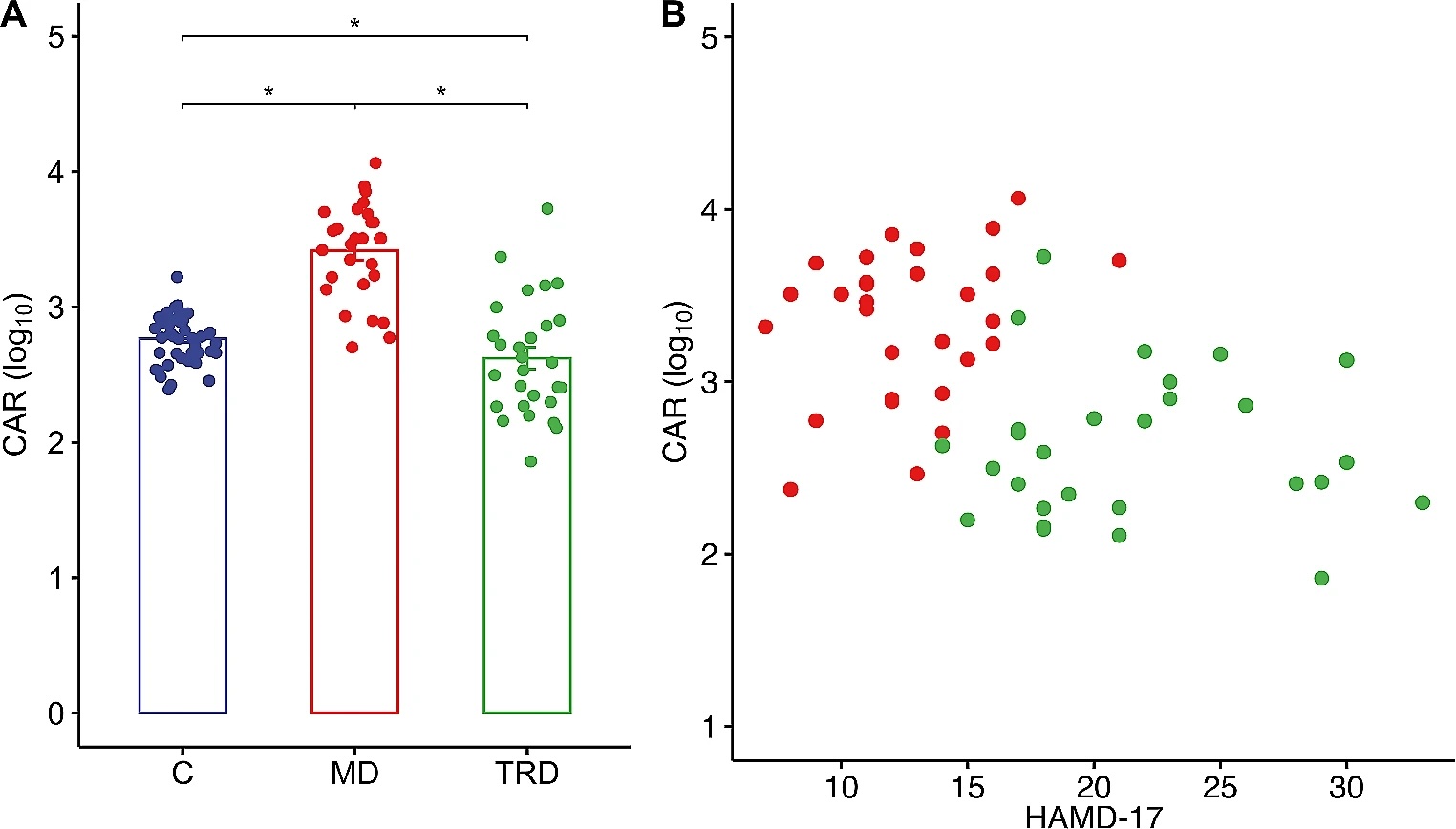
This study examined the relationship between sleep quality and cortisol awakening response (CAR) across major depression severity. Patients with treatment-resistant depression had poorer sleep and a blunted CAR, while those with mild depression showed worse sleep but an elevated CAR compared to healthy controls. Sleep quality, particularly sleep medication use and sleep efficiency, was a strong predictor of depression severity, highlighting its clinical relevance for assessing and managing major depressive disorder.

Feb 1, 2024
Lucas Henrique Sousa Freitas Torres, Ysla Kallena Macedo Medeiros, Geovan Menezes de Sousa, Hector Quinones Vargas, Ana Cecília de Menezes Galvão, Raíssa Nóbrega de Almeida, Mário A. Leocadio-Miguel, Bruno Lobão-Soares, Fernanda Palhano-Fontes, Dráulio Barros de Araujo, Nicole Leite Galvão-Coelho

Blue light exposure-dependent improvement in robustness of circadian rest-activity rhythm in aged rats

Plos One
Article
aging
SCN
Rest-activity rhythm

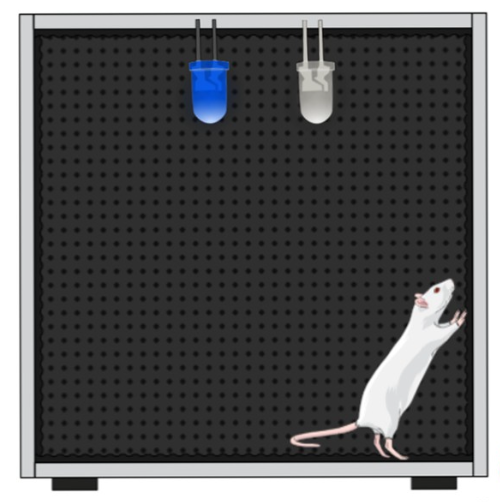
This study investigated the effects of blue light therapy on circadian rhythms in aging rats. Exposure to blue light for 14 days improved locomotor rhythmicity, increasing amplitude, robustness, and phase advance while enhancing rest-phase consolidation. However, these benefits required continuous exposure. The findings suggest that blue light may help mitigate age-related circadian dysfunctions, though further research is needed to understand the underlying neural mechanisms.

Oct 4, 2023
Eryck Holmes A. Silva, Nelyane Nayara M. Santana, Narita Renata M. Seixas, Lyzandro Lucas F. Bezerra, Maria Milena O. Silva, Sâmarah F. Santos, Jeferson S. Cavalcante, Mário A. Leocadio-Miguel, Rovena Clara Engelberth
No matching items
 

Made with ❤️ and Quarto. © 2026. This work is openly licensed via CC BY 4.0